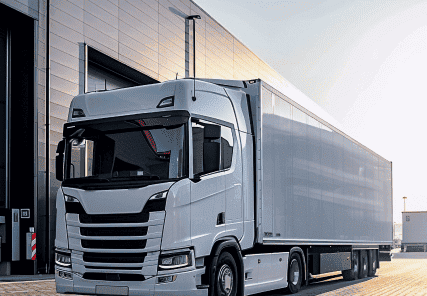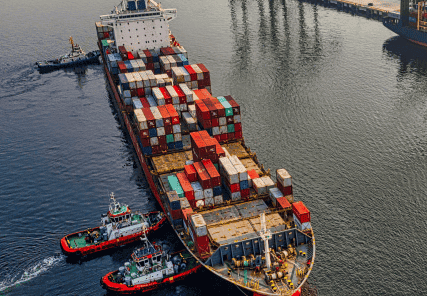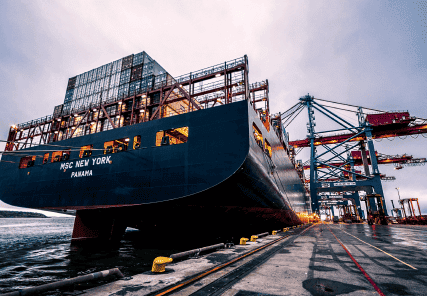

Nacita Logistics provides comprehensive supply chain solutions in Egypt, including domestic transportation, warehousing, technical logistics, customs clearance, end-to-end fulfillment, and Importer of Record (IOR) services.
Smart Village , B2111 , KM28, Cairo - Alexandria Desert Rd, Giza Governorate
What Is Warehousing? It’s the question every modern business must answer to stay competitive in a world driven by speed, efficiency, and customer expectations. In 2026, success is no longer just about having great products—it’s about how fast and efficiently you can store, manage, and deliver them. That’s where warehousing in logistics becomes a game-changer.
Today, warehousing is far more than just storing goods on shelves. It has evolved into a powerful, technology-driven system that supports warehousing in business, streamlines operations, and keeps supply chains running without disruption. From global enterprises to fast-growing e-commerce brands, companies rely on efficient warehousing to meet demand and exceed customer expectations.
If you’ve ever wondered how products move seamlessly from manufacturers to customers, the answer lies in modern warehousing in commerce. It connects inventory, distribution, and fulfillment into one integrated flow—making it a core component of warehousing in SCM and long-term business success.
In this complete guide, you’ll explore everything from essential warehousing terms to advanced strategies, practical insights, and the latest trends shaping the future of logistics. Whether you're a business owner, supply chain professional, or simply curious, this guide will give you a clear and actionable understanding of warehousing in 2026.
At its core, warehousing refers to the process of storing goods and materials in a dedicated facility before they are distributed for sale or use. However, modern warehousing in commerce goes far beyond simple storage.
Warehousing involves a wide range of activities, including:
In the context of warehousing in SCM (Supply Chain Management), warehouses act as critical hubs that connect production with consumption.
Understanding common warehousing terms helps you navigate the industry more effectively:
Modern warehousing and storage systems are designed to optimize operations across the entire supply chain. Let’s explore the core functions.
1. Storage and Inventory Management
The most basic function is storing goods safely. However, advanced systems now enable:
2. Order Fulfillment
Efficient warehousing operations in supply chain management ensure that customer orders are processed quickly and accurately:
3. Consolidation and Break-Bulk
Warehouses act as consolidation centers:
4. Value-Added Services
Modern warehouses offer more than storage:
5. Risk Management
Warehouses protect goods from:
Understanding the types of warehousing helps businesses choose the right solution for their needs.
Main Types of Warehouses
Key Differences
Warehousing in logistics plays a central role in ensuring smooth operations across the supply chain.
How Warehousing Fits into SCM
In warehousing in SCM, warehouses act as:
Role in Physical Distribution
Warehousing physical distribution ensures products reach customers efficiently:
Integration with Technology
Modern warehouses rely on:
These technologies improve warehousing materials handling and reduce errors.
Effective warehousing in business delivers numerous advantages:
Operational Benefits
Financial Benefits
Strategic Benefits
Additional Advantages
Understanding cost drivers is essential for optimizing warehousing and storage operations.
Major Cost Components
How to Reduce Costs
Selecting the right partner is critical for successful warehousing in logistics.
Key Factors to Consider
Questions to Ask
When it comes to reliable and innovative logistics solutions, Nacita Logistics stands out as a leading provider in the region.
Why Choose Nacita Logistics?
Nacita Logistics offers a comprehensive range of services designed to meet modern supply chain demands:
1. Advanced Warehousing Solutions
2. End-to-End Supply Chain Support
3. Technology-Driven Approach
4. Flexible and Scalable Services
5. Strategic Location Advantage
The future of warehousing in logistics is evolving rapidly:
Key Trends
What This Means for Businesses
To maximize the benefits of warehousing in business, consider these best practices:
Operational Tips
Strategic Tips
In 2026, warehousing in logistics is not just a backend function—it’s a strategic advantage. From improving efficiency to enhancing customer satisfaction, warehousing plays a critical role in modern supply chains.
By understanding types of warehousing, key functions, and cost factors, businesses can make informed decisions that drive growth and competitiveness.
Whether you’re optimizing your current operations or building a new supply chain strategy, investing in the right warehousing solution is essential.
Ready to optimize your logistics operations?
Explore Nacita's Warehousing Services and discover how advanced warehousing in SCM solutions can transform your business with efficiency, scalability, and reliability.
Take the next step toward smarter logistics today.