
Nacita Logistics provides comprehensive supply chain solutions in Egypt, including domestic transportation, warehousing, technical logistics, customs clearance, end-to-end fulfillment, and Importer of Record (IOR) services.
Smart Village , B2111 , KM28, Cairo - Alexandria Desert Rd, Giza Governorate
In a world where customers expect same-day delivery, real-time tracking, and zero errors, businesses can no longer afford slow or disconnected supply chains. The difference between leading brands and struggling ones often comes down to one critical factor: how well they manage warehousing and distribution.
If your operations still treat storage and delivery as separate functions, you're likely losing time, money, and customer trust—without even realizing it.
The truth is simple: speed, accuracy, and scalability come from integration—not separation.
This guide will show you how combining warehousing distribution services into one seamless system can eliminate inefficiencies, reduce costs, and give your business a serious competitive edge—especially when powered by experts like Nacita Logistics.
Although often used interchangeably, warehousing and distribution serve distinct roles within the supply chain.
Warehousing focuses on the storage and management of goods, forming the backbone of reliable warehousing services that ensure products are always available, organized, and ready for dispatch. It includes:
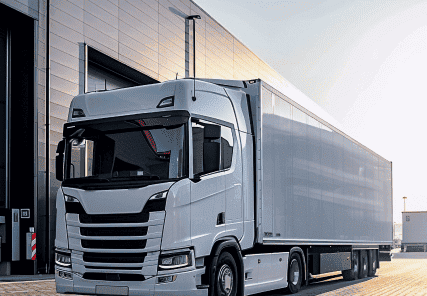
Distribution is about moving goods efficiently to their final destination, including critical components like domestic transportation that ensure smooth and timely deliveries within local markets. It involves:
While both are critical, treating them as separate silos often leads to communication gaps, duplicated efforts, and inefficiencies.
The real power of warehouse distribution logistics lies in integration.
When warehousing and distribution are unified, they function as a seamless system rather than disconnected processes.
What Integration Looks Like
Why Separation Creates Inefficiency
Businesses that separate warehousing and distribution often face:
In contrast, integrated logistics warehousing and distribution eliminates these bottlenecks by aligning every step—from storage to final delivery.
Integrating warehousing and distribution services delivers measurable business value.
1. Faster Order Fulfillment
2. Cost Efficiency
3. Improved Inventory Accuracy
4. Enhanced Customer Experience
5. Scalability
6. Data-Driven Decisions
To evaluate the effectiveness of your distribution warehousing strategy, track these critical KPIs:
Operational Metrics
Distribution Metrics
Integrated Performance Metrics
Monitoring these metrics ensures your warehouse distribution system remains efficient and competitive.
Choosing the right partner among warehousing and distribution companies is critical to achieving integration success.
Essential Criteria
1. End-to-End Capabilities
Look for providers that offer:
2. Technology Integration
3. Strategic Location
4. Scalability & Flexibility
5. Proven Experience
6. Visibility & Transparency
When it comes to warehousing and logistics, Nacita Logistics stands out as a fully integrated provider designed to eliminate the inefficiencies of fragmented operations.
1. Seamless Integration
Nacita combines warehouse distribution logistics into a single, streamlined system:
2. Advanced Infrastructure
3. Smart Technology
4. Customized Solutions
5. Cost Optimization
6. Enhanced Customer Experience
By choosing Nacita, businesses move from fragmented operations to a fully integrated warehousing and distribution ecosystem—unlocking speed, efficiency, and growth.
Finally, in today’s competitive market, separating warehousing and distribution is no longer sustainable. It creates unnecessary complexity, slows operations, and increases costs.
Integrated warehousing and distribution services are the future—offering:
Businesses that embrace this integration gain a clear advantage in efficiency and scalability.
Partnering with experienced warehousing and distribution companies like Nacita Logistics ensures your supply chain operates as one cohesive system—not disconnected parts.
Ready to eliminate inefficiencies and streamline your operations? Get an Integrated Warehousing & Distribution Quote today and discover how a unified approach can transform your logistics performance.