
Nacita Logistics provides comprehensive supply chain solutions in Egypt, including domestic transportation, warehousing, technical logistics, customs clearance, end-to-end fulfillment, and Importer of Record (IOR) services.
Smart Village , B2111 , KM28, Cairo - Alexandria Desert Rd, Giza Governorate
Road Freight vs Air Freight—it’s the classic logistics dilemma: save money or save time? In a world where customers expect faster deliveries and businesses are under constant pressure to cut freight costs, choosing the right shipping method is more critical than ever.
Every shipment you move tells a story of priorities. Is it urgency? Budget? Reliability? The truth is, there’s no one-size-fits-all answer. While road freight offers flexibility and cost-efficiency, air freight delivers unmatched speed and global reach—but at a price.
So how do you decide without overpaying or delaying your operations?
This guide simplifies the decision-making process with a clear freight modes comparison, helping you understand the real differences in cost, speed, and use cases. Whether you're optimizing your supply chain or scaling your business, you’ll find exactly when to choose road, when to go by air, and when a smart combination of both makes the most sense.
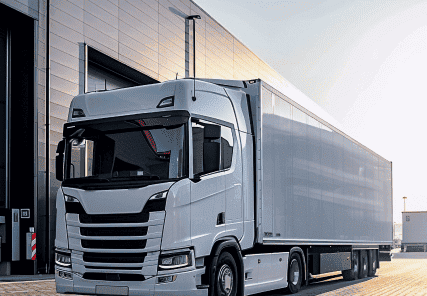
When it comes to freight and transportation, road and air freight serve distinct purposes:
Cost is often the deciding factor when choosing between freight modes. Understanding how pricing works can help you optimize your logistics budget.
Road Freight Costs
Air Freight Costs
Air vs Road Shipping Cost Breakdown:
Pro Tip:
If minimizing freight costs is your priority, road transport is usually the better choice.
Speed is where air freight dominates—but does that always justify the cost?
Road Freight Speed
Air Freight Speed
Quick Insight:
Road freight is a reliable and economical option in many scenarios.
Choose Road Freight When:
Road Freight Advantages:
Air freight is the go-to solution when speed and reliability are critical.
Choose Air Freight When:
When to Use Air Freight:
In many cases, businesses benefit from combining both freight methods.
What is a Hybrid Freight Strategy?
A hybrid approach integrates road freight and air freight to balance cost and speed.
Example:
Benefits:
Why It Works:
This freight modes comparison strategy allows businesses to stay competitive without overspending.
When navigating complex shipping decisions, partnering with experienced freight transport companies is essential. This is where Nacita Logistics stands out.
Why Choose Nacita Logistics?
What Sets Them Apart?
Whether you need fast delivery or cost-effective transport, Nacita Logistics helps you strike the perfect balance.
In the end, choosing between road freight and air freight doesn’t have to be complicated. It all comes down to your priorities:
By understanding the trade-offs and aligning them with your business goals, you can make smarter logistics decisions that improve efficiency and reduce costs.
Get the clarity you need to make the right shipping decision with confidence. Connect with a freight expert today for personalized guidance tailored to your business needs. With the right support, you can reduce costs, improve delivery efficiency, and ensure your shipments arrive exactly when and where they should—without unnecessary delays or stress.