
About Us

Nacita Logistics provides comprehensive supply chain solutions in Egypt, including domestic transportation, warehousing, technical logistics, customs clearance, end-to-end fulfillment, and Importer of Record (IOR) services.

Contact Us

Smart Village , B2111 , KM28, Cairo - Alexandria Desert Rd, Giza Governorate

Contact Us
Smart Village , B2111 , KM28, Cairo - Alexandria Desert Rd, Giza Governorate

Every shipment tells a story. A batch of life-saving pharmaceuticals that cannot sit on a vessel for six weeks. A container of furniture that would cost more to fly than to manufacture. The freight mode you choose — air or sea — can make or break your supply chain, your margins, and your customer relationships.

This guide cuts through the noise. We compare air freight and sea freight across every variable that matters: cost, speed, cargo fit, and real-world scenarios. By the end, you will know exactly which freight mode fits your next shipment — and when to combine both.

Air Freight vs Sea Freight: Quick Comparison at a Glance

  1. Transit Time: Air Freight – 1–5 days (Best for urgent goods). Sea Freight – 14–40 days (Best for non-urgent cargo).
  2. Air Freight Charges: Air Freight – High (per kg), best for high-value items. Sea Freight – Low (per CBM), best for bulk/heavy goods.
  3. Reliability: Air Freight – Very High, best for time-sensitive shipments. Sea Freight – Moderate, best for flexible timelines.
  4. Cargo Size: Air Freight – Small–Medium, best for low volume/weight. Sea Freight – Any size, best for high volume/weight.
  5. Carbon Footprint: Air Freight – High, matters when speed is the priority. Sea Freight – Low, best for sustainability goals.
  6. Customs Complexity: Air Freight – Low–Moderate, best for simple shipments. Sea Freight – Moderate–High, best for experienced shippers.

Now let us go deeper on each factor.

Cost Breakdown: Air Freight Charges vs Sea Freight Prices

How Air Freight Charges Work

Air freight charges are calculated by chargeable weight — whichever is greater between actual weight (kg) and volumetric weight (length x width x height / 6000). Expect to pay anywhere from $3 to $10+ per kg depending on the lane, carrier, and season.

Real-world example: Shipping 200 kg of high-end electronics from Dubai to Frankfurt? Air freight might cost $1,200–$1,800. That same shipment by sea could be under $300 — but it would take 25+ days instead of 2.

Additional air freight cost factors include:

  • Fuel surcharges (variable, often 20–40% of base rate)
  • Security and screening fees
  • Airport handling and terminal charges
  • Peak season premiums (especially Q4 and Chinese New Year)

How Sea Freight Prices Work

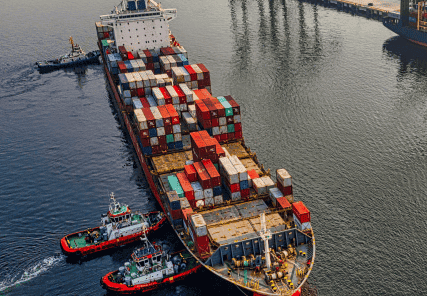
Ocean freight is priced per TEU (20-foot equivalent unit) or per CBM (cubic meter) for LCL shipments. Sea freight prices are dramatically lower for heavy or bulky cargo — often 5 to 10 times cheaper than air on a per-unit basis.

Real-world example: A full container (FCL) of 20 tonnes of industrial machinery from Shanghai to Rotterdam might cost $2,000–$4,000 total. The same cargo by air? You are looking at $40,000 or more.

Key sea freight cost drivers:

  • Bunker adjustment factors (fuel costs)
  • Port congestion surcharges
  • Peak season rate spikes (rates can double during disruptions)
  • LCL consolidation fees for smaller loads
  • Detention and demurrage if containers are not returned on time

Bottom line on cost: If your cargo is heavy, bulky, or not time-sensitive, sea freight prices win every time. If your cargo is light, high-value, or urgent, the premium air freight charges are almost always justified.

Transit Times: How Fast Does Your Cargo Actually Need to Move?

Air Freight Transit Time

Air freight transit time is typically 1 to 5 business days for most international routes. Express air services can deliver within 24–48 hours for major trade lanes. This makes air the default choice for:

  • Perishable goods: fresh produce, flowers, seafood
  • Medical and pharmaceutical products with strict shelf lives
  • Fashion and seasonal merchandise with tight launch windows
  • Emergency spare parts for manufacturing lines
  • Documents and small high-value parcels

Sea Freight Transit Time

Sea freight transit time ranges from 14 to 40+ days depending on origin, destination, and whether you use direct or transshipment services. Asia to Europe typically runs 25–35 days. Intra-regional routes (e.g., Gulf to East Africa) can be as short as 10–14 days.

Sea freight works well when:

  • You have predictable demand cycles and can plan inventory 6–8 weeks ahead
  • Your products are not perishable or seasonally critical
  • You are replenishing stock rather than fulfilling urgent orders
  • You have the warehouse capacity to hold larger shipment volumes

Cargo Suitability: Does Your Shipment Belong in the Sky or at Sea?

Best Cargo for Air Freight

  • Electronics and semiconductors (high value, low volume)
  • Pharmaceuticals and vaccines (temperature-sensitive, time-critical)
  • Luxury goods and jewelry (high security, low tolerance for delay)
  • E-commerce fulfillment for fast-moving SKUs
  • Fresh and perishable food products
  • Urgent industrial components

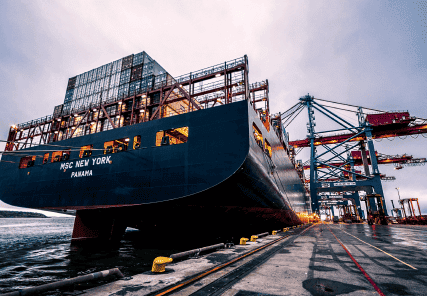
Best Cargo for Ocean Freight

  • Machinery and heavy equipment (impossible to fly economically)
  • Furniture, construction materials, and raw commodities
  • Automotive parts and vehicles
  • Consumer goods shipped in bulk (apparel, homeware, FMCG)
  • Chemicals and hazardous materials (with proper IMDG compliance)
  • Project cargo and oversized loads

When Air Freight Wins: 5 Scenarios Where Speed Pays Off

Air freight is not just for emergencies. Here are five situations where paying those higher air freight charges is the smart business call:

  1. Product launch deadlines: Missing a retail window because your inventory is stuck at sea can cost you far more than the freight premium.
  2. Production line shutdowns: A single missing component can halt manufacturing. Air freight gets it there before the damage compounds.
  3. Regulatory compliance: Some sectors — pharma, defense — have delivery windows dictated by regulations, not preference.
  4. High-margin goods: When your cargo is worth $500,000+, the cost of air freight cargo service is a fraction of the inventory risk sitting in transit.
  5. Volatile supply chains: When ocean routes are disrupted by port strikes or geopolitical issues, air becomes the only reliable option.

When Sea Freight Wins: 5 Scenarios Where Patience Pays

Ocean freight is not a compromise — it is a strategic advantage for the right shipments. Here is when to choose sea:

  1. Bulk commodity shipments: When you are moving 10+ tonnes of anything, sea freight prices are simply unbeatable.
  2. Predictable replenishment cycles: If you can forecast demand 6–10 weeks out, sea freight fits perfectly into your inventory rhythm.
  3. Sustainability targets: Ocean freight produces 20–30x less CO2 per tonne-km than air. For companies with ESG commitments, the choice is clear.
  4. Large-scale retail restocking: Supermarkets, hardware chains, and mass-market retailers depend on sea freight for cost-efficient volume moves.
  5. Hazardous or oversized cargo: Many dangerous goods and project cargo types are restricted from air transport — sea is the only viable option.

Hybrid Options: When One Mode Is Not Enough

Sometimes the answer is not air or sea — it is both.

Sea-Air Freight

Ship cargo by ocean to a mid-point hub (often Dubai, Singapore, or Hong Kong), then transfer to air for the final leg. This reduces cost by 40–60% compared to pure air, while cutting transit time by 50% compared to pure sea. It is the sweet spot for mid-weight shipments with moderate urgency.

Air-Sea Freight

Fly cargo to a destination port, then distribute regionally by sea or road. Useful when air capacity is available from origin but the end destination is a port city or island.

Consolidation Strategies

For companies shipping regularly on both modes, freight consolidation — grouping smaller shipments into LCL sea containers or air cargo co-loads — significantly reduces per-unit shipping costs without sacrificing frequency.

Why Nacita Logistics Is the Freight Partner You Need

When it comes to choosing between air freight and sea freight, the decision only gets easier when you have the right partner behind you. Nacita Logistics specializes in end-to-end freight management — from cargo assessment and route planning to customs clearance and final-mile delivery.

Whether you are moving a 50 kg urgent air freight cargo shipment or a 500 CBM ocean freight container, Nacita builds the strategy around your business — not the other way around.

Here is what Nacita Logistics brings to the table:

  • Air freight cargo solutions for urgent, high-value, and perishable shipments across major global trade lanes
  • Ocean freight services for bulk goods, machinery, and cost-sensitive shipments with full container and LCL options
  • Transparent sea freight prices and air freight charges — detailed quotes with no hidden fees and no surprises
  • Multimodal and hybrid freight options for businesses that need to balance speed, cost, and reliability at the same time
  • Dedicated freight experts with deep knowledge of international trade compliance, customs regulations, and documentation
  • Coverage across the Middle East, Europe, Asia, and Africa — wherever your supply chain takes you

Nacita Logistics does not just book cargo. They build freight strategies that reduce your costs, protect your timelines, and scale with your business. That is the Nacita difference.

Summary: Making the Right Freight Decision

The air vs sea freight debate does not have a universal winner — it has a situational answer. Here is your quick decision guide:

  • Choose air freight when: speed is critical, cargo is high-value or perishable, and shipment weight is under 500 kg
  • Choose sea freight when: cargo is heavy or bulky, timelines are flexible, and cost efficiency is the priority
  • Consider hybrid when: you need to balance speed and cost for mid-weight or mid-urgency shipments
  • Always compare rates: actual freight prices vary significantly by lane, season, and carrier — never commit without a quote

The smartest shippers do not just pick a mode. They build a freight strategy that matches their cargo profile, their supply chain rhythm, and their business goals. That is where a great freight partner makes all the difference.

Ready to ship smarter? Stop guessing freight modes and start making data-driven decisions.

Talk to a Freight Expert at Nacita Logistics today — get a tailored quote for your next air or sea shipment and find out exactly which freight mode saves you more time, money, and stress.
Back to all articles

Related articles